
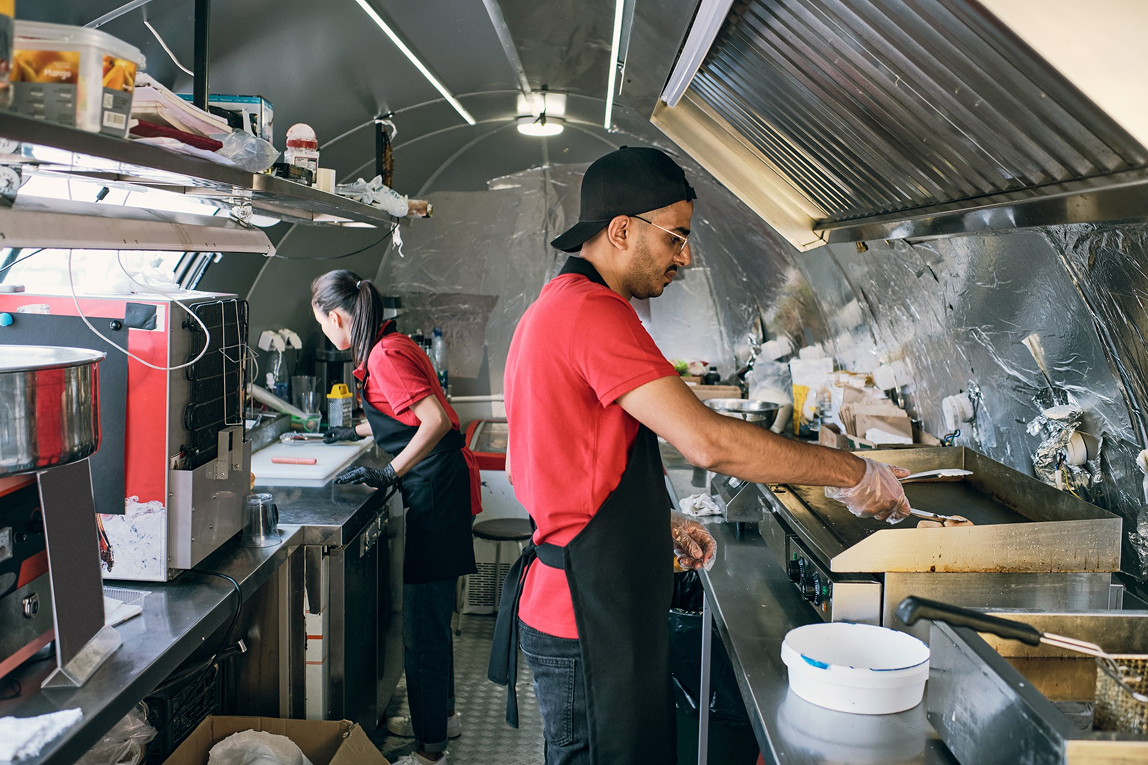
In the mobile food industry, operational success is defined by the ability to deliver high-quality output within a high-density environment. Unlike a brick-and-mortar restaurant, a food truck operates under strict spatial and electrical constraints, making every piece of equipment a critical strategic asset.
Selecting the right commercial kitchen equipment for food trucks directly impacts service speed, menu flexibility, and long-term profitability. In a mobile setup, you are not just looking for appliances; you are looking for compact, multi-functional, and energy-efficient systems that can handle peak-hour pressure without mechanical failure.
Key Challenges in Food Truck Kitchens
Designing a functional mobile kitchen equipment layout requires addressing three primary bottlenecks:
- Space Constraints: Every square inch must be utilized for either preparation, cooking, or storage.
- Power Supply Management: Deciding between gas vs electric appliances is critical, as food trucks often rely on generators or limited shore power.
- Turnaround Speed: Equipment must have rapid heat recovery times to maintain a fast service rhythm in a compact setup.
To overcome these, the focus must shift toward small kitchen equipment for food business models that prioritize output-to-size ratios.
Essential Equipment for a Professional Food Truck Setup
To build an efficient workflow, your equipment must be selected based on its ability to perform multiple roles within a small footprint. Here is the essential food truck kitchen equipment profile for 2026:
1. Undercounter Refrigeration: Hoshizaki SS Chiller (Single Door)
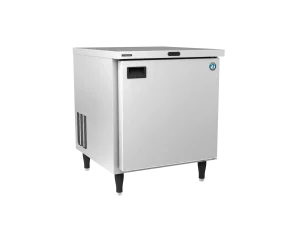
Vertical space is a luxury in a truck. The Hoshizaki single-door undercounter chiller is the industry standard for space optimization. Its stainless steel construction ensures thermal stability, while the top surface doubles as a prep station, effectively merging storage and workspace.
2. Versatile Flat-Top Cooking: Electric Griddle Plate (Small)
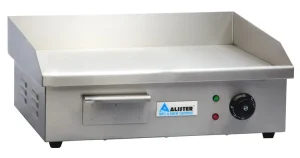
The electric griddle is the primary cooking surface for high-demand items like burgers, wraps, and breakfast sets. Choosing a small-footprint electric model allows for precise temperature control and offers a significant safety advantage over gas in the enclosed, high-heat environment of a truck.
3. La Carimali Coffee Machine Bubble Single Group (4 Ltr Boiler)
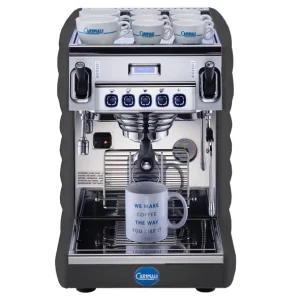
Adding a coffee program is a smart way to boost revenue, and the La Carimali Bubble offers a compact yet professional solution for cafés and restaurants. With a 4-litre boiler and heat-exchange system, it ensures stable temperature and consistent steam performance during peak hours. Its programmable controls, pre-infusion capability, and user-friendly interface allow baristas to maintain quality and speed, even in high-demand service environments.
4. Butler Commercial Blender with Acoustic Enclosure and Timer
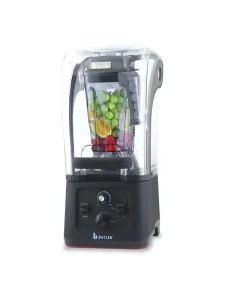
From smoothies and frappes to cold coffee and cocktails, the Butler Commercial Blender delivers powerful, consistent blending for high-demand environments. Equipped with a 2.2 HP motor and a high-capacity jar, it crushes ice effortlessly while maintaining smooth textures. Its acoustic enclosure reduces noise by up to 80%, making it ideal for front-of-house use in cafés and bars, while the built-in timer ensures precision and repeatability across every batch.
5. Compact Thermal Processing: Menu Master Commercial Oven (25 Ltr)
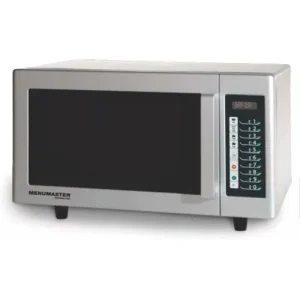
A 25-liter Menu Master oven is engineered for rapid reheating, finishing, and light baking. It is a space-saving alternative to full-sized convection ovens, allowing for menu diversification without occupying a large section of the counter.
6. Quick-Service Frying: Electric Deep Fryer (Single 4 Litre)
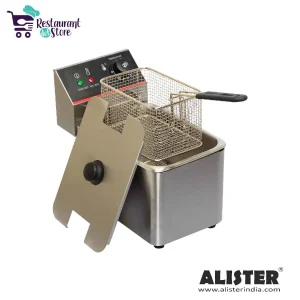
For appetizers and sides, a 4-liter single deep fryer is ideal. The electric heating elements provide consistent oil temperatures for crispy results, and its small oil capacity reduces the overall heat load and oil-management complexity inside the vehicle.
7. Rapid Turnaround: Sandwich Griller (Single)
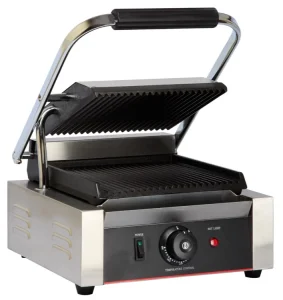
A heavy-duty single sandwich griller is a staple for QSR (Quick Service Restaurant) formats. It enables the fast preparation of paninis and toasted items, ensuring high-volume output with minimal manual monitoring.
Strategic Layout and Design
When learning how to set up a food truck kitchen in India, the layout must follow a “Prep → Cook → Serve” linear flow. By keeping frequently used compact commercial kitchen equipment within arm’s reach, you reduce staff movement – a necessity when two or more people are working in a space less than 80 square feet.
Your menu should be driven by your equipment capacity. A common mistake is overloading a small kitchen with a sprawling menu that the appliances cannot support simultaneously. Instead, focus on high-demand, fast-cooking items that leverage the strengths of your specific hardware.
The Alister Advantage: Strategic Mobile Integration
In a food truck, the challenge isn’t just owning the right appliances – it’s how they fit and function together. This is where Alister provides a distinct competitive edge.
As an experienced solution provider, Alister acts as your strategic partner, helping you navigate the complexities of how to set up a food truck kitchen in India. Instead of providing a generic collection of tools, Alister assists in the selection and alignment of high-performance brands within restricted footprints. This holistic approach ensures your mobile kitchen equipment ecosystem balances power requirements with your specific menu goals.
By streamlining the technical setup and providing expert guidance on essential equipment for food truck business growth, Alister transforms a standard vehicle into a high-output profit center. This allows operators to focus on culinary quality while the engineered system handles the industrial rigors of the road.
Conclusion
The success of a food truck depends on its ability to function as a high-performance engine. Every piece of essential equipment for food truck business operations must contribute to a faster service cycle and reduced downtime.
Investing in the best commercial kitchen equipment brands ensures that your mobile kitchen remains an adaptable, profitable asset. By choosing smarter, compact solutions over “more” equipment, you create a foundation for a scalable business that can handle the rigors of the modern street food industry with professional-grade consistency.