
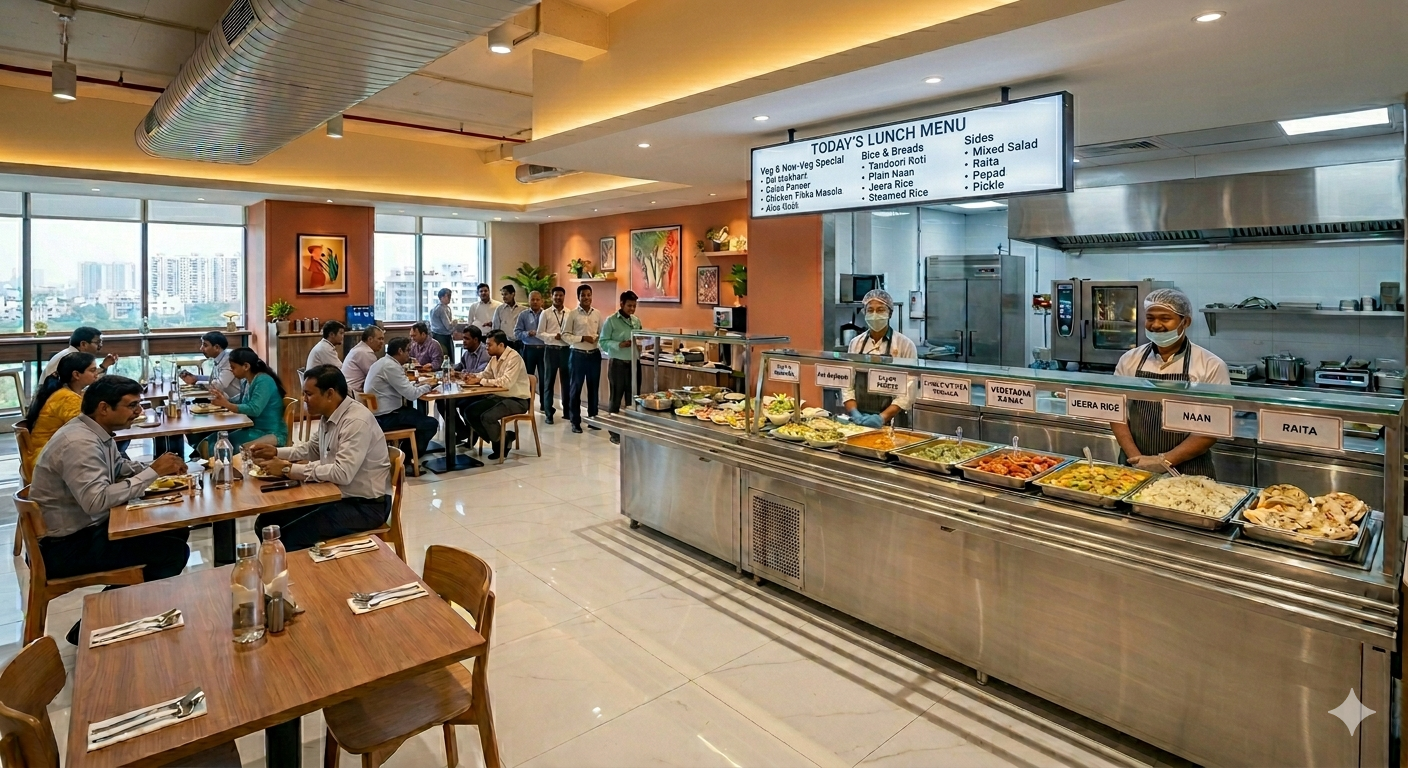
When Feeding Hundreds, Every Minute Counts
Preparing a meal for a family is one thing. Preparing meals for hundreds, or even thousands, of people every day is a completely different challenge.
Whether it’s a corporate cafeteria serving employees during lunch breaks, a hospital feeding patients and staff around the clock, or an educational institution catering to hundreds of students, large-scale food production demands speed, consistency, and organization. In these environments, delays in preparation, equipment breakdowns, or inefficient workflows can quickly affect service quality.
This is why choosing the right canteen kitchen equipment is so important. The equipment used in a canteen kitchen determines how efficiently the kitchen operates, how smoothly service runs, and how well the team can handle daily demand.
What Makes a Canteen Kitchen Different?
Unlike restaurants, where menus can change frequently and food is often prepared in smaller batches, canteen kitchens are designed for volume. The goal is to prepare large quantities of food within a fixed timeframe while maintaining consistent quality.
A typical canteen may need to serve breakfast, lunch, snacks, and dinner to hundreds of people each day. This requires equipment that can withstand continuous use, support bulk cooking, and help staff work efficiently.
Let’s take a closer look at the equipment list that forms the backbone of every high-performing canteen kitchen.
Bulk Cooking Burner: Built for High-Volume Food Preparation
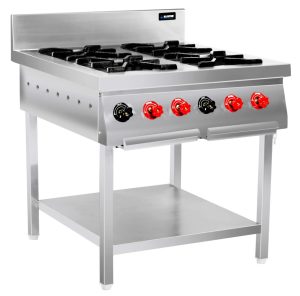
Anyone who has seen a canteen kitchen in operation knows that cooking often happens in oversized vessels rather than standard pots and pans.
This is where a bulk cooking burner becomes essential.
Designed to support large stockpots and heavy-duty cooking vessels, bulk burners make it easier to prepare large quantities of rice, dal, soups, curries, and other staple dishes. Their high heat output helps reduce cooking times, which is particularly important when meals must be prepared within strict serving schedules.
For facilities that prepare food in large batches every day, bulk cooking burners are among the most valuable pieces of canteen equipment.
Commercial Fryer: Maintaining Consistency During Busy Service
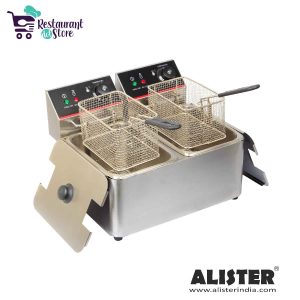
Many canteens serve fried items such as samosas, pakoras, French fries, cutlets, or snacks during meal service.
Preparing these items manually in large quantities can be time-consuming and difficult to standardize. A commercial fryer helps solve this challenge by providing controlled frying conditions that deliver consistent results.
Apart from improving food quality, commercial fryers also help kitchen teams manage high-volume production more efficiently. During busy meal periods, consistency and speed often go hand in hand.
Vegetable Cutting Machine: Turning Hours of Work into Minutes
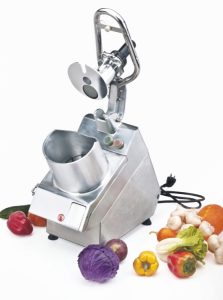
Food preparation can consume a significant portion of a kitchen’s time, especially when large quantities of vegetables need to be processed daily.
Imagine manually chopping vegetables for 1,000 meals every day. It requires substantial labor and can create bottlenecks before cooking even begins.
A vegetable cutting machine helps simplify this process. It allows kitchens to prepare ingredients quickly while maintaining uniform sizes and cuts. This not only improves efficiency but also contributes to more consistent cooking results.
For many high volume kitchens, investing in vegetable preparation equipment can save several hours of manual work every day.
Dough Kneader: Making Large-Scale Dough Preparation Easier
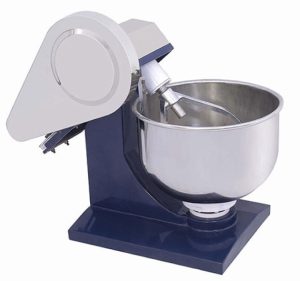
In canteens where chapatis, parathas, puris, bread, or bakery products are served regularly, dough preparation can be one of the most labor-intensive tasks.
A dough kneader streamlines this process by producing consistent dough in larger quantities within a shorter timeframe.
Besides reducing manual effort, it also helps maintain uniform quality across batches. For kitchens preparing hundreds of portions daily, this consistency can make a noticeable difference in the final product.
Stainless Steel Work Tables: Where Preparation Happens
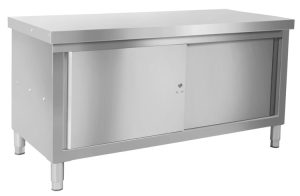
While cooking equipment often gets the most attention, preparation areas play an equally important role in kitchen efficiency.
Stainless steel work tables provide dedicated surfaces for ingredient preparation, portioning, plating, and assembly. Their durability, ease of cleaning, and resistance to corrosion make them ideal for commercial kitchen environments.
A well-planned workspace helps kitchen teams stay organized and reduces congestion during busy periods.
Bain Marie Counter: Keeping Food Ready for Service
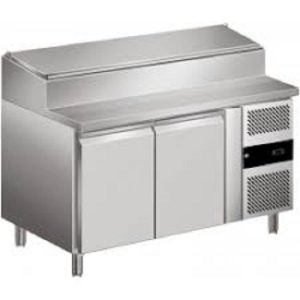
One of the challenges of large-scale food production is maintaining food quality between cooking and serving.
A Bain Marie counter helps address this by keeping prepared food at appropriate serving temperatures until it reaches customers.
Whether it’s rice, curries, vegetables, or side dishes, maintaining temperature helps preserve texture, flavour, and food safety standards. This is particularly important in canteens where food may be served continuously over an extended period.
Commercial Refrigerator: Protecting Ingredients and Food Quality
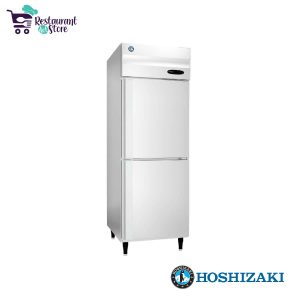
Fresh ingredients are the foundation of every meal. However, managing large quantities of perishable products requires proper storage.
A commercial refrigerator helps maintain ingredient quality by providing controlled temperature conditions for dairy products, vegetables, prepared foods, and other perishables.
Reliable refrigeration also reduces spoilage, supports food safety requirements, and helps kitchens manage inventory more effectively.
Deep Freezer: Supporting Bulk Purchasing and Storage
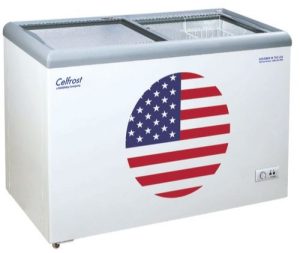
Many canteens purchase ingredients in larger quantities to improve inventory management and reduce procurement frequency.
A deep freezer makes this possible by providing secure storage for frozen products and backup inventory.
Having adequate frozen storage helps kitchens maintain uninterrupted operations, especially during periods of high demand or supply chain fluctuations.
Dishwashing Machine: Keeping Up with Demand
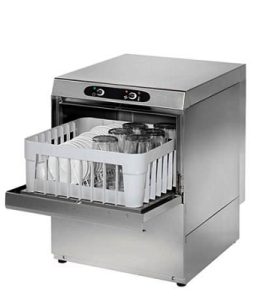
The work doesn’t stop once food has been served.
Large-scale kitchens generate a significant volume of plates, trays, utensils, and cookware throughout the day. Cleaning these items manually can consume valuable time and labour.
A dishwashing machine helps streamline post-service operations by providing faster cleaning cycles and consistent sanitation standards. It also allows kitchen staff to focus on food preparation rather than spending excessive time on cleaning tasks.
Storage Racks: Keeping Everything Organized
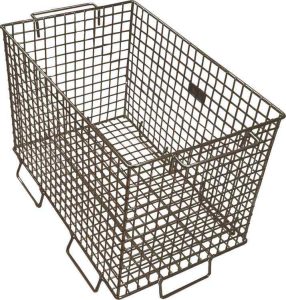
An organized kitchen is usually an efficient kitchen.
Storage racks help keep ingredients, supplies, and utensils properly arranged and easily accessible. Good storage systems reduce clutter, improve inventory visibility, and support food safety practices.
When staff can quickly locate what they need, preparation and service become far more easy.
Kitchen Exhaust Hood System: The Equipment Many Kitchens Underestimate
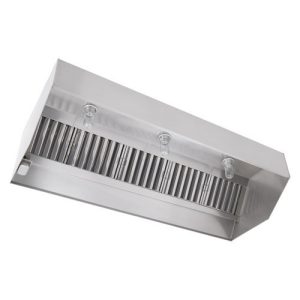
Heat, smoke, steam, and grease are unavoidable in high-volume food production environments.
Without proper ventilation, kitchens become uncomfortable, cleaning becomes more difficult, and safety risks increase.
A kitchen exhaust hood system helps remove airborne contaminants while improving airflow and working conditions. It also contributes to fire safety and helps maintain a cleaner kitchen environment.
Despite being less visible than cooking equipment, ventilation systems often have a major impact on daily operations.
Choosing the Right Equipment Is About More Than Buying Products
One of the biggest mistakes businesses make when setting up a canteen is selecting equipment individually rather than considering how the entire kitchen will function.
Equipment capacity, kitchen layout, workflow, utility requirements, and future growth plans all influence which solutions are most suitable. What works for a school canteen may not work for a hospital or manufacturing facility.
This is why many businesses work with experienced canteen equipment suppliers who can recommend solutions based on operational requirements rather than simply product specifications.
Why Businesses Trust Alister for Canteen Kitchen Projects
Setting up a large-scale canteen kitchen involves more than purchasing equipment. It requires careful planning to ensure that preparation, cooking, serving, storage, and cleaning processes work together efficiently.
As experienced canteen kitchen equipment suppliers in India, Alister supports businesses with practical kitchen solutions tailored to their operational needs. From selecting the right industrial canteen kitchen equipment to planning efficient layouts, the focus is on helping kitchens perform reliably in real-world conditions.
Whether it’s a corporate cafeteria, institutional kitchen, hospital, educational facility, or industrial canteen, having the right equipment and setup can make a significant difference in daily operations.
Conclusion
Large-scale food production depends on more than skilled kitchen staff. The right canteen kitchen equipment plays a crucial role in maintaining productivity, food quality, hygiene, and service efficiency.
From commercial cooking ranges and bulk cooking burners to refrigeration, storage, dishwashing, and ventilation systems, each piece of equipment contributes to a smoother and more organized operation.
For businesses planning a new facility or upgrading an existing one, investing in quality canteen equipment is an investment in long-term operational success. When the kitchen is equipped to handle volume efficiently, serving hundreds of meals every day becomes a far more manageable task.
FAQs
1. How long does commercial canteen kitchen equipment typically last?
The lifespan depends on usage, maintenance, and equipment quality, but most commercial equipment is designed for long-term daily operation.
2. Is stainless steel the preferred material for canteen kitchen equipment?
Yes, stainless steel is widely used because it is durable, hygienic, corrosion-resistant, and easy to clean.
3. Can canteen kitchen equipment be customized for specific requirements?
Many equipment solutions can be customized based on kitchen size, menu requirements, and operational needs.
4. What are the common mistakes to avoid when purchasing canteen kitchen equipment?
Common mistakes include choosing equipment based only on price, underestimating production requirements, overlooking maintenance needs, and failing to plan equipment placement within the kitchen layout.
5. Why is professional installation important for canteen kitchen equipment?
Proper installation helps ensure equipment safety, optimal performance, and efficient use of available kitchen space.