Grease Trap

Grease Trap

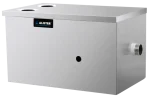
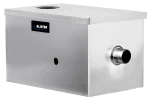
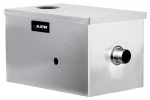
In commercial kitchens, large amounts of oil, fat, and food residue move through drainage systems every day. Without proper filtration, these substances can build up in pipelines and cause blockages that interrupt kitchen operations. These grease trap separates fats, oils, and grease from wastewater before it enters the drainage line, helping kitchens maintain smoother water flow and cleaner plumbing systems.

Modern kitchens depend on efficient filtration systems such as a kitchen grease trap to manage wastewater generated during cooking and cleaning. Designed to capture grease before it moves further into the drainage system, these grease traps for commercial kitchens play an important role in maintaining hygiene and preventing costly plumbing problems. At Alister, we provide equipment designed for demanding kitchen environments.

Why Choose Cur Grease Trap

Commercial kitchens require drainage solutions that keep operations running smoothly without frequent plumbing issues. Being a reputable grease trap supplier in Pune, Alister provides solutions such as the kitchen grease trap and systems designed for commercial kitchens. We help them manage wastewater effectively while maintaining cleaner drainage systems.

Supporting Diverse Professional Kitchens

Our grease traps are suitable for:

  • Restaurants and quick-service outlets
  • Hotels and banquet kitchens
  • Cafeterias and food courts
  • Cloud kitchens
  • Catering services
  • Snack and fast-food businesses

FAQs

1. What causes grease trap overflow in commercial kitchens?
Overflow usually happens when grease buildup exceeds capacity or when cleaning intervals are too long for the kitchen’s usage level.

2. Why are grease traps for commercial kitchens important?
Grease traps for commercial kitchens help prevent pipe blockages, unpleasant odors, and plumbing damage caused by grease buildup.

3. What makes a stainless steel grease trap suitable for kitchen use?
A stainless steel grease trap resists corrosion and can handle the high temperatures and heavy usage common in commercial kitchens.

4. Where is a kitchen grease trap usually installed?
A kitchen grease trap is typically installed under sinks or within the drainage line where wastewater exits the kitchen.

5. How often should a grease trap be cleaned?
Cleaning frequency depends on kitchen usage, but most grease traps for commercial kitchens should be inspected and cleaned regularly to maintain efficiency.

6. Why is material choice important in commercial grease trap construction?
Materials like stainless steel resist corrosion and thermal stress, ensuring long-term durability in high-temperature kitchen environments.

Showing all 3 results

Grease Trap

In commercial kitchens, large amounts of oil, fat, and food residue move through drainage systems every day. Without proper filtration, these substances can build up in pipelines and cause blockages that interrupt kitchen operations. These grease trap separates fats, oils, and grease from wastewater before it enters the drainage line, helping kitchens maintain smoother water flow and cleaner plumbing systems.

Modern kitchens depend on efficient filtration systems such as a kitchen grease trap to manage wastewater generated during cooking and cleaning. Designed to capture grease before it moves further into the drainage system, these grease traps for commercial kitchens play an important role in maintaining hygiene and preventing costly plumbing problems. At Alister, we provide equipment designed for demanding kitchen environments.

Why Choose Cur Grease Trap

Commercial kitchens require drainage solutions that keep operations running smoothly without frequent plumbing issues. Being a reputable grease trap supplier in Pune, Alister provides solutions such as the kitchen grease trap and systems designed for commercial kitchens. We help them manage wastewater effectively while maintaining cleaner drainage systems.

Supporting Diverse Professional Kitchens

Our grease traps are suitable for:

  • Restaurants and quick-service outlets
  • Hotels and banquet kitchens
  • Cafeterias and food courts
  • Cloud kitchens
  • Catering services
  • Snack and fast-food businesses

FAQs

1. What causes grease trap overflow in commercial kitchens?
Overflow usually happens when grease buildup exceeds capacity or when cleaning intervals are too long for the kitchen’s usage level.

2. Why are grease traps for commercial kitchens important?
Grease traps for commercial kitchens help prevent pipe blockages, unpleasant odors, and plumbing damage caused by grease buildup.

3. What makes a stainless steel grease trap suitable for kitchen use?
A stainless steel grease trap resists corrosion and can handle the high temperatures and heavy usage common in commercial kitchens.

4. Where is a kitchen grease trap usually installed?
A kitchen grease trap is typically installed under sinks or within the drainage line where wastewater exits the kitchen.

5. How often should a grease trap be cleaned?
Cleaning frequency depends on kitchen usage, but most grease traps for commercial kitchens should be inspected and cleaned regularly to maintain efficiency.

6. Why is material choice important in commercial grease trap construction?
Materials like stainless steel resist corrosion and thermal stress, ensuring long-term durability in high-temperature kitchen environments.

Get In Touch

Category Enquiry